Europe’s steel umbrella has holes
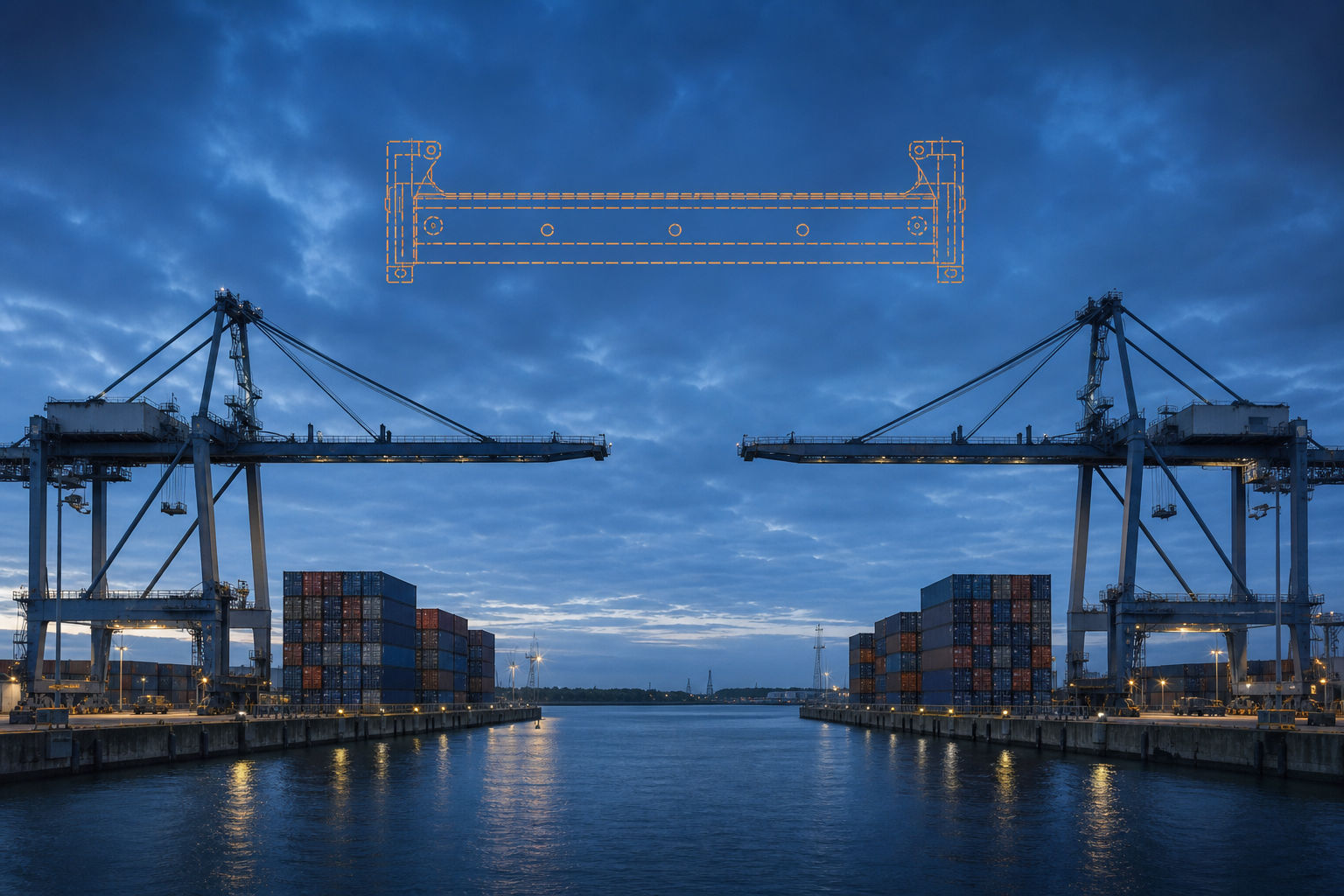
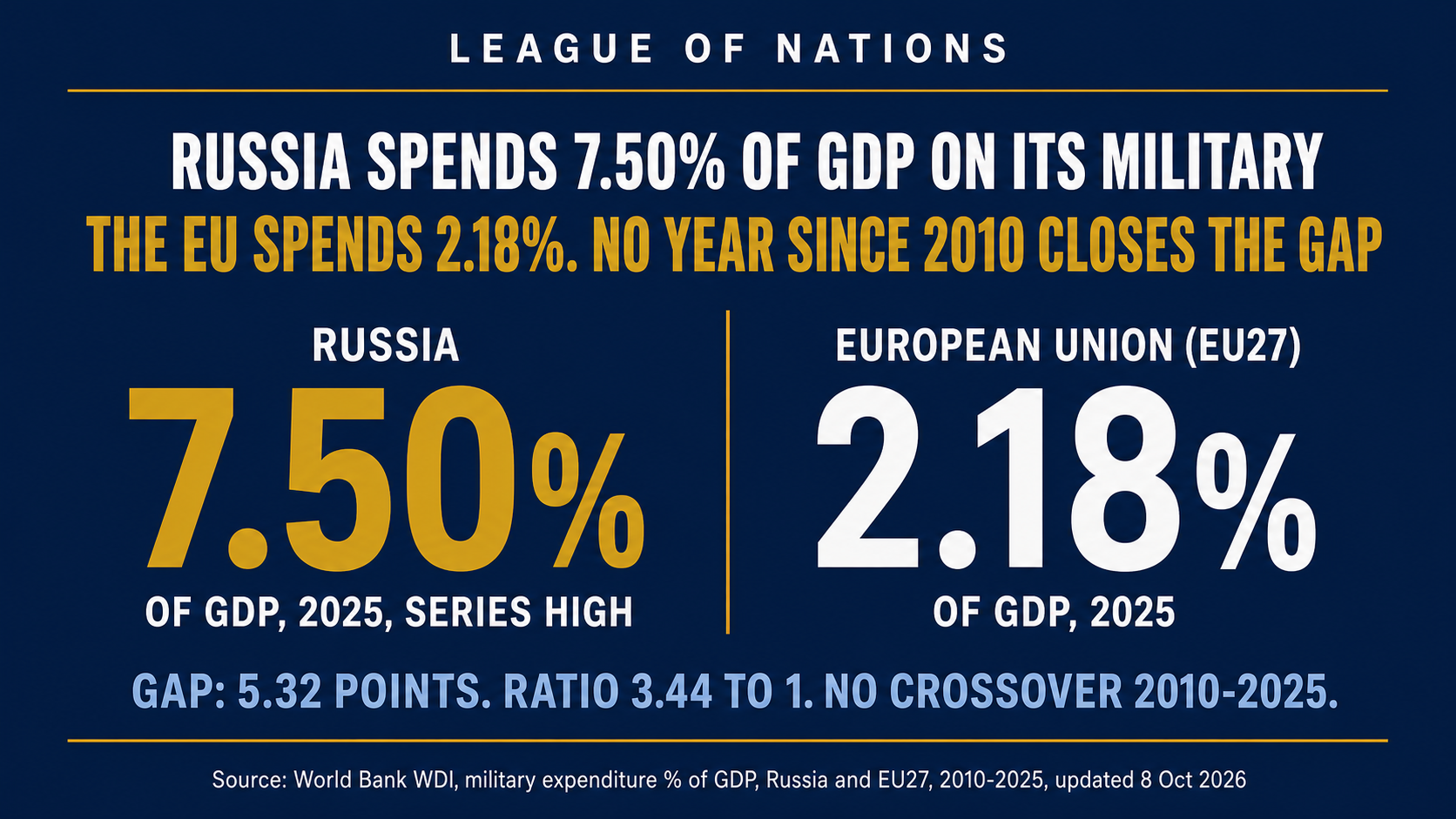
Europe is rearming fast, but weapons are only the visible score. The real test is whether it can protect the signals, supply chains and seabed infrastructure that make deterrence work.
Know your future. Make history with smart power. Play the powergame here 👇
Europe is rearming fast, but weapons are only the visible score. The real test is whether it can protect the signals, supply chains and seabed infrastructure that make deterrence work.
Britain retained much of its international influence after Brexit, but the evidence suggests its economic, social and institutional foundations have become less effective, making future leadership depend on reform rather than reputation alone.
One decade after the vote, the evidence points in the same direction across economy, trade, leadership, culture and planning: Brexit did not make Britain stronger than the European system it left.
Britain entered the Brexit era with one of Europe's strongest business environments, but by 2026 had fallen behind every major competitor in this league.
Britain remained one of the world's most socially connected countries after Brexit, but the evidence suggests it became less outward-looking than promised and more reliant on inherited strengths.
Britain remains one of the world's most diplomatically connected countries, but the KOF data suggests Brexit preserved global reach more successfully than it preserved embedded influence.
Britain remained globally visible after Brexit, but the KOF data suggests it became less economically connected as trade integration weakened and new barriers emerged with its largest market.
Britain remains the most globalised country in the league, but Brexit appears to have preserved an inherited advantage rather than creating the more outward-looking nation that was promised.
Close, but no cigar.
Britain remains one of the world's most innovative countries, but the systems that help ideas scale appear less secure than the Brexit promise implied.